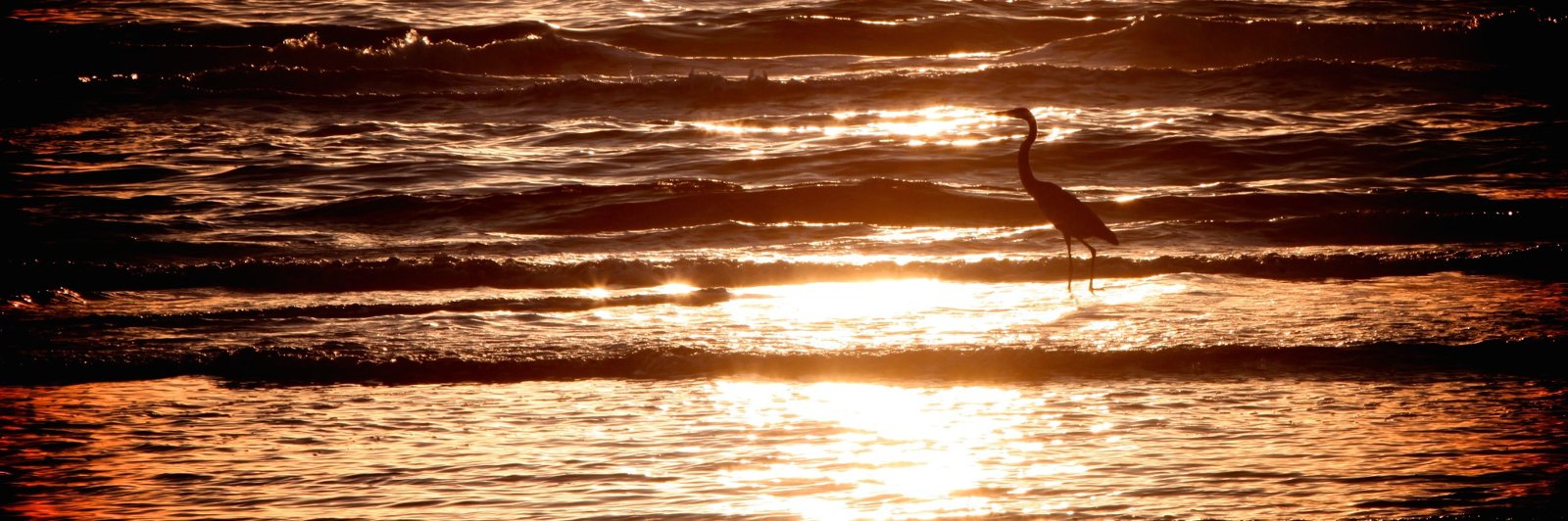
The opportunity
People often talk about branding as if it lives only in a logo or a block of copy, but most audiences experience a brand visually first. They see the architecture, the people, the mood, the details, the energy of an event, or the professionalism of the presentation long before they study the fine print.
That is why photography, videography, and design are not side services in my work. They are storytelling tools. When used well, they help people understand what a business is, what it feels like, and why it matters.
Why original imagery matters
Original photography immediately raises the credibility of a message. It shows the actual place, people, work, atmosphere, or product rather than leaning on a stock image that anyone else could use. For a business trying to stand apart, that difference matters.
What original imagery can communicate
- Authenticity and trust
- Scale and sense of place
- Personality and culture
- Quality of environment or experience
- Distinctive details competitors cannot copy
How I apply it
- Commercial and architectural photography
- Portraits and people-focused storytelling
- Live event and entertainment imagery
- Location and lifestyle imagery
- Campaign support for digital, print, and presentations
Photography is not just documentation
Strong photography does more than record what is there. It frames a point of view. A commercial property image can convey professionalism and permanence. An event image can carry movement and energy. A portrait can create connection. A landscape or location image can create atmosphere and memory.
That is why I approach visual work strategically. I think about the audience, the intended use, and the story the image needs to support, not simply the subject standing in front of the lens.
Video and aerial perspective expand the story
Video adds motion, pacing, and sequence. It can explain a process, reveal energy, or guide a viewer through a space. And as an FAA Part 107 certified drone pilot, I can add an aerial perspective when it improves the story. Drone imagery is especially valuable when scale, access, context, property relationships, or site surroundings matter.
The point is not to use video or drones because they are available. The point is to use them when they make the story easier to understand and harder to forget.
Design brings the story together
Even the best images need structure. Graphic design is what turns individual assets into a coherent message. It creates hierarchy, controls pacing, reinforces the brand, and ensures the photography and copy feel like they belong together.
That integration matters whether the final piece is a website, social campaign, printed flyer, proposal, sales sheet, case study, presentation, or trade show display. Good design makes the story easier to absorb. Great design makes it feel intentional.
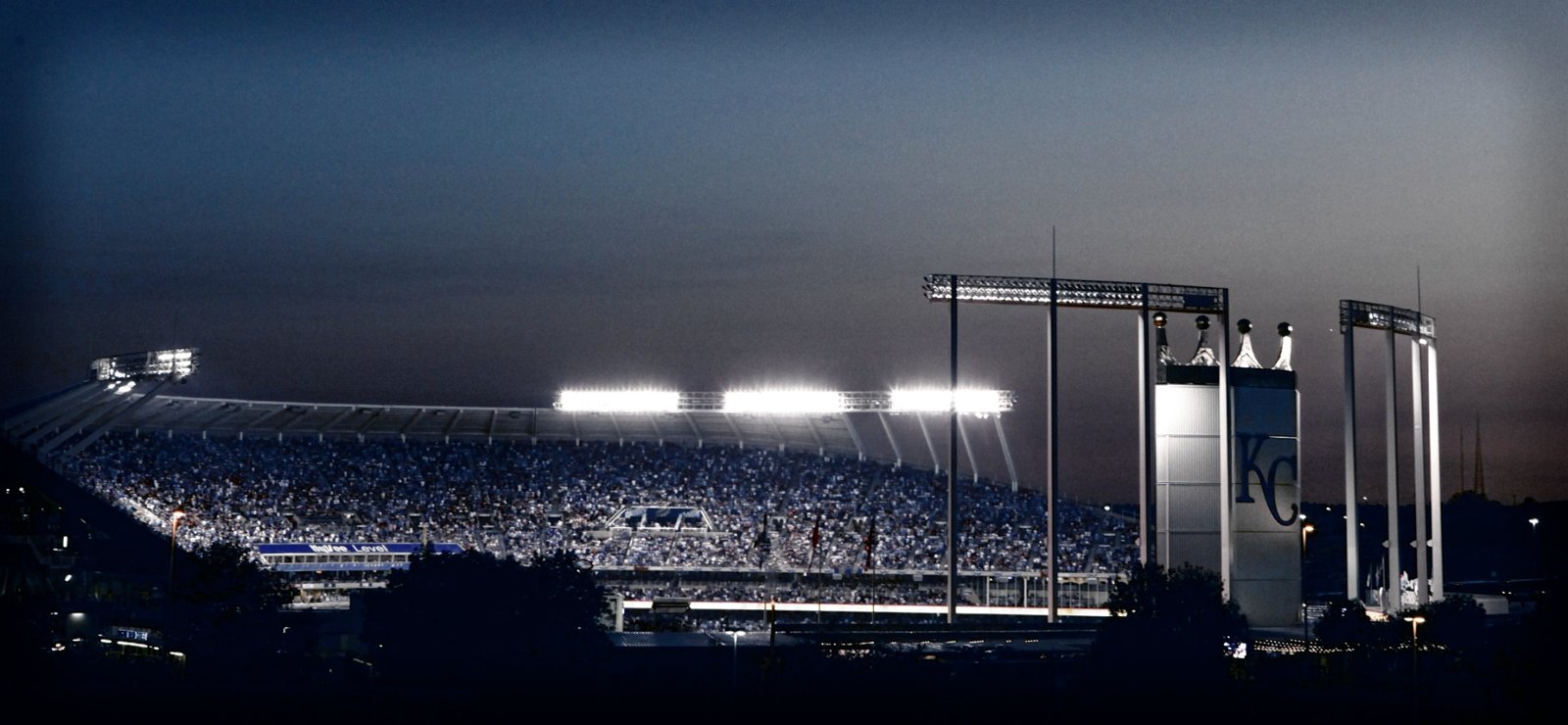
The bigger point
I do not see photography, video, and design as separate boxes. I see them as connected parts of the same communication system. A photograph can anchor a website header, appear in a social campaign, support a proposal, strengthen a trade show display, or become part of a case study. When the assets are original and the design is thoughtful, the message feels more cohesive at every touchpoint.
That is ultimately what visual storytelling is about: helping a business communicate not just what it does, but how it should be understood.